Landscaping That Establishes From the Start
Plants & Sod in Meridian for properties with bare yards, failed plantings, or lawns damaged by neglect
Bare soil around new construction turns muddy with each rain, while neglected yards show patches of dead grass and struggling shrubs that never filled in. Professional plant selection and sod installation address these issues by establishing healthy vegetation suited to local growing conditions. Adams Outdoor Renovations designs and installs landscapes that account for sun exposure, soil type, and irrigation availability across Meridian properties.
Plant selection involves matching species to site conditions rather than choosing based solely on appearance. Shade-tolerant varieties go under trees, drought-resistant plants occupy areas with limited water access, and layered plantings combine ground covers, shrubs, and ornamental trees to create visual depth. Sod installation requires soil preparation, grading for drainage, and timing that allows roots to establish before temperature extremes arrive. Poor species choices or rushed installation result in plants that fail within the first season or lawns that thin out in patches.
Schedule a landscape consultation to review planting options that fit your property's conditions and maintenance preferences.
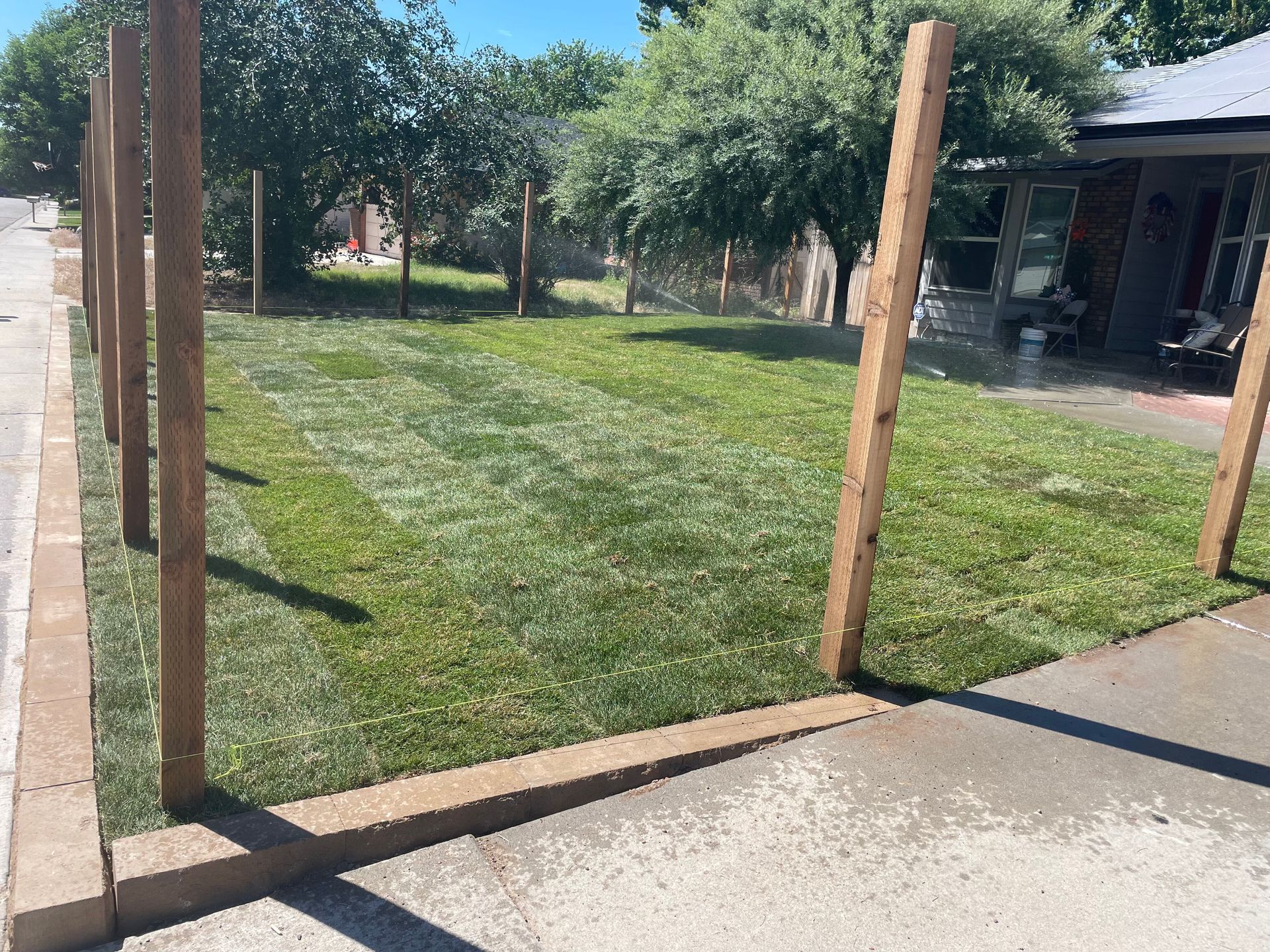
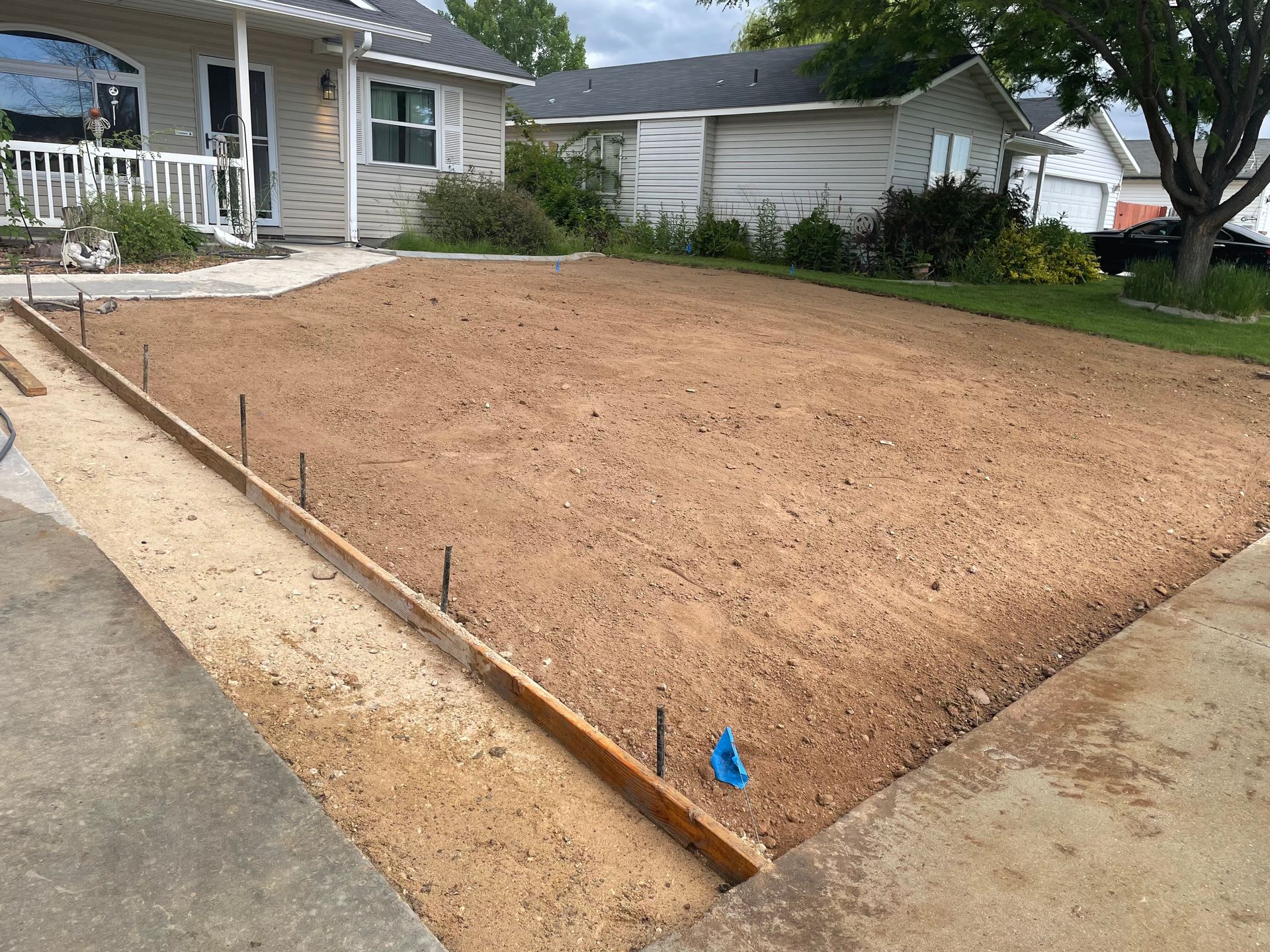
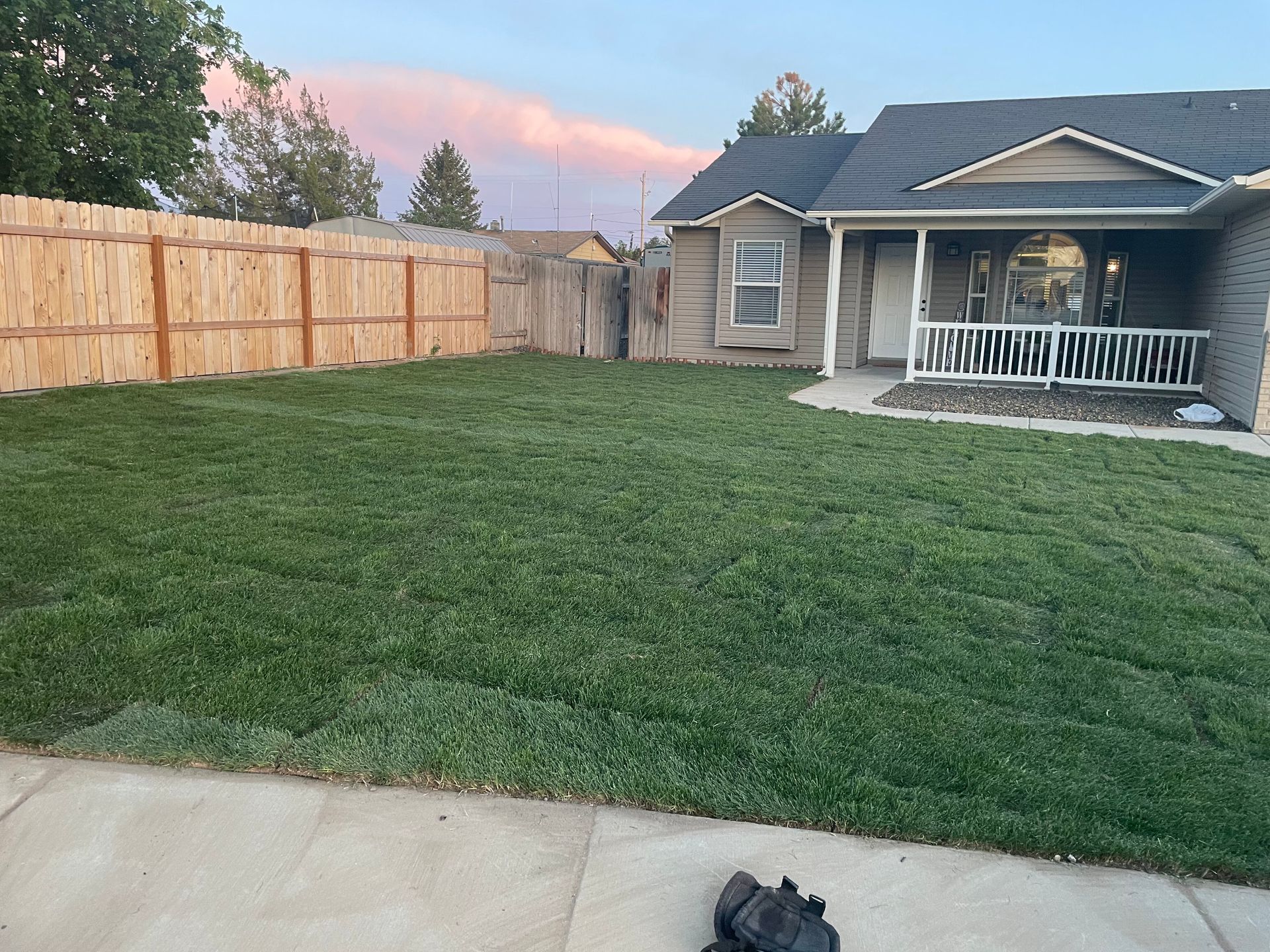
Landscape installation begins with soil amendment if existing ground is compacted or nutrient-poor, followed by plant placement based on mature size and spacing requirements. Sod is laid in staggered seams across graded surfaces, with edges trimmed to fit around hardscaping and planting beds. Initial watering schedules are critical during the establishment phase to encourage root development before plants rely on ambient rainfall or irrigation systems.
After establishment, your yard shifts from barren or patchy to fully covered with healthy vegetation. Erosion stops because root systems hold soil in place, and the property develops visual structure as plants fill their designated spaces. Lawns become uniformly green rather than spotted with bare dirt, and planting beds provide seasonal color or evergreen screening depending on species selected.
Design considerations include whether to prioritize low-water native plants, how much shade coverage mature trees will eventually provide, and whether plantings should screen views or frame specific features. These decisions affect long-term maintenance requirements and how the landscape evolves over time.
Questions Before Starting Your Project
Property owners preparing for landscape installation often need guidance on species selection, timing, and what successful establishment requires before work begins.
What plant species thrive in Meridian's climate and soil?
Native and adapted species tolerate cold winters, hot summers, and the clay-heavy soils common in the area, while non-native ornamentals may require amended soil and supplemental watering to survive. Choosing regionally appropriate plants reduces long-term maintenance and replacement costs. Skyler, our green thumb, goes with customers to the nurseries to find things that will go well in their specific yard so they can pick what they like so they can make sure that it will be condusive to their yard.
How soon after sod installation can the lawn handle foot traffic?
Light walking is possible once roots have begun anchoring into underlying soil, typically two to three weeks after installation, but heavy use or play activity should wait until the sod is fully established. Premature traffic tears seams and creates uneven areas that require patching.
What soil preparation is necessary before planting or laying sod?
Compacted soil is loosened and amended with organic matter to improve drainage and root penetration, while grading ensures water moves away from structures rather than pooling. Skipping soil prep results in poor root development and plants that struggle regardless of watering or fertilization efforts.
When is the best time of year to install plants and sod?
Spring and fall offer moderate temperatures and increased rainfall that support establishment, while summer installations require intensive watering and monitoring. Winter planting is avoided because frozen ground prevents root growth and increases mortality risk.
What irrigation setup supports newly installed landscapes?
Temporary hand-watering or hose-end sprinklers suffice during the establishment phase, but in-ground irrigation systems provide consistent coverage for long-term health. Watering frequency and duration decrease as root systems mature and access deeper soil moisture.
Adams Outdoor Renovations customizes plant and sod installations to match each property's sun exposure, soil conditions, and intended use. Arrange a consultation to develop a landscape plan suited to your yard's specific characteristics.