Foundations Prepared for Long-Term Performance
Leveling & Grading in Meridian for sites where poor drainage causes standing water or where new construction requires stable base preparation
Standing water after rainstorms, uneven ground that prevents sod from rooting properly, and slopes that direct runoff toward foundations all indicate grading problems that undermine outdoor projects before they begin. Adams Outdoor Renovations provides site leveling and grading services that establish stable, properly draining surfaces for patios, sod, and other landscape improvements across Meridian properties. Each grading plan is customized to address the specific elevation issues and drainage patterns present on your site.
Grading involves removing or adding soil to create slopes that direct water away from structures and toward drainage outlets. Proper grading prevents water from pooling on hardscape surfaces or saturating planting beds, while leveled areas provide stable footing for construction projects. Clay soils common in the area compact differently than sandy or loamy soils, which affects how grading is executed and what base materials are added for stability. Without correct grading, even well-built patios settle unevenly, lawns develop soggy patches, and retaining walls experience premature failure from water pressure.
Request a free estimate to evaluate your site's current grading and develop a preparation plan for upcoming landscape work.
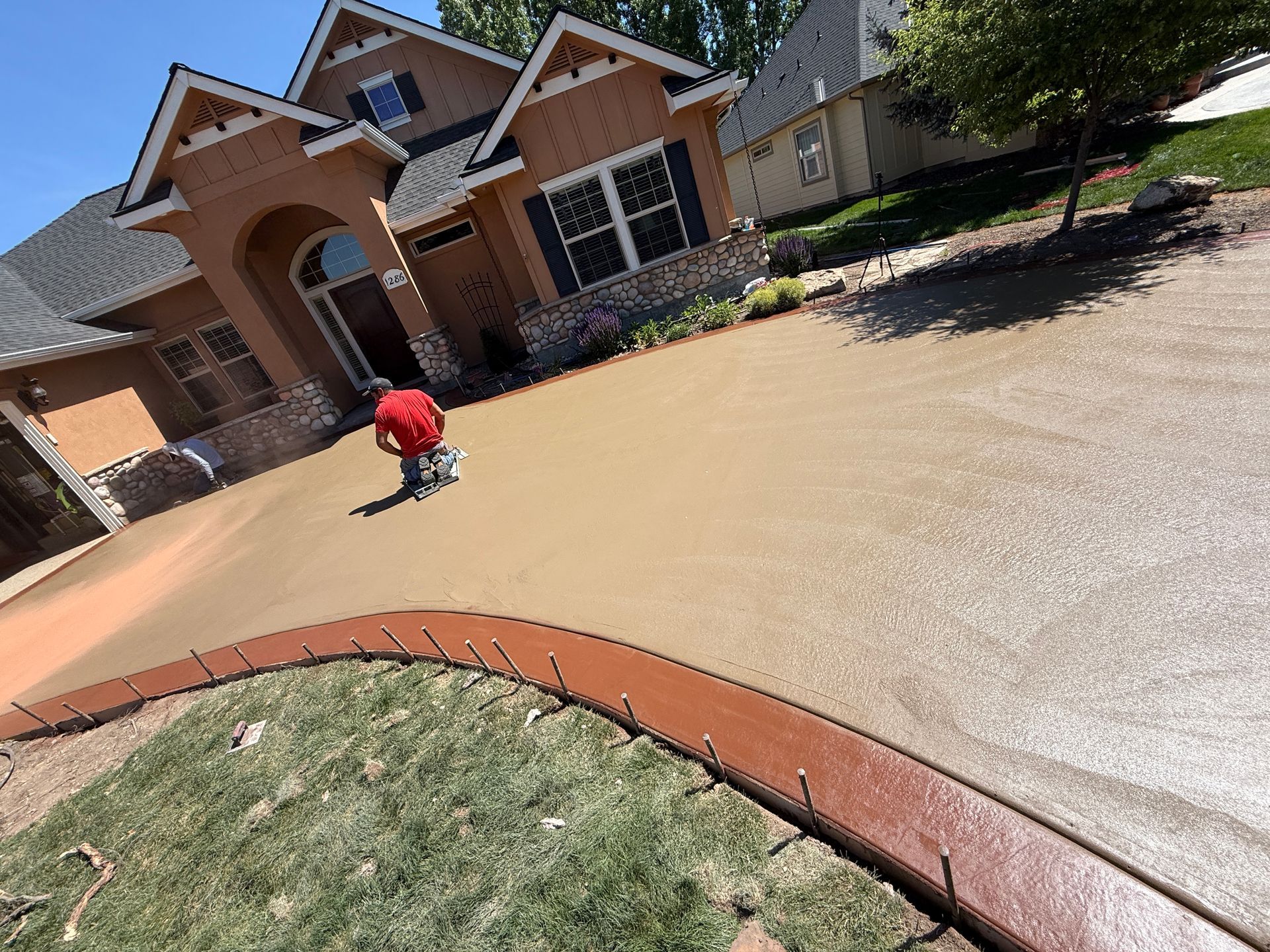
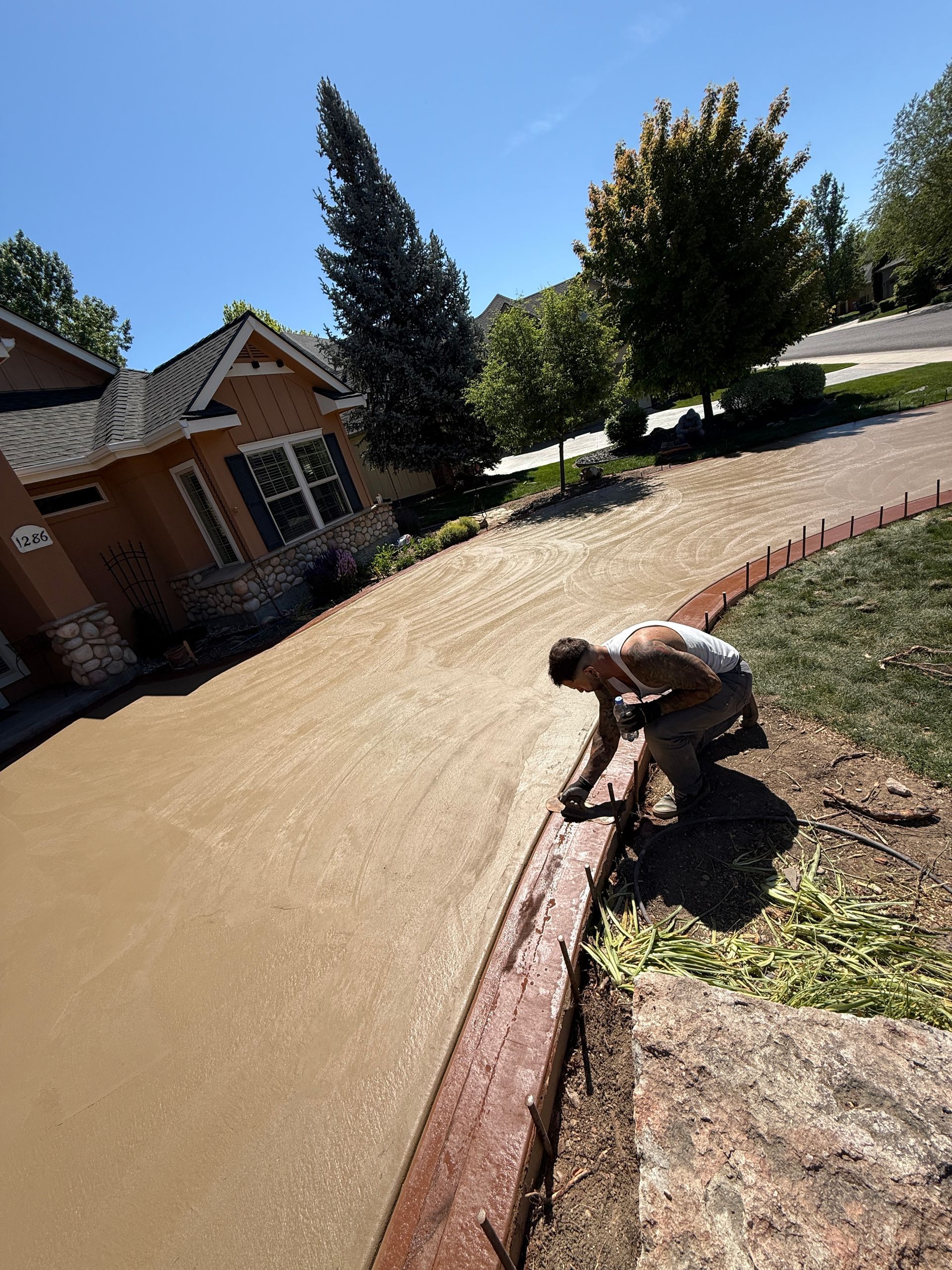
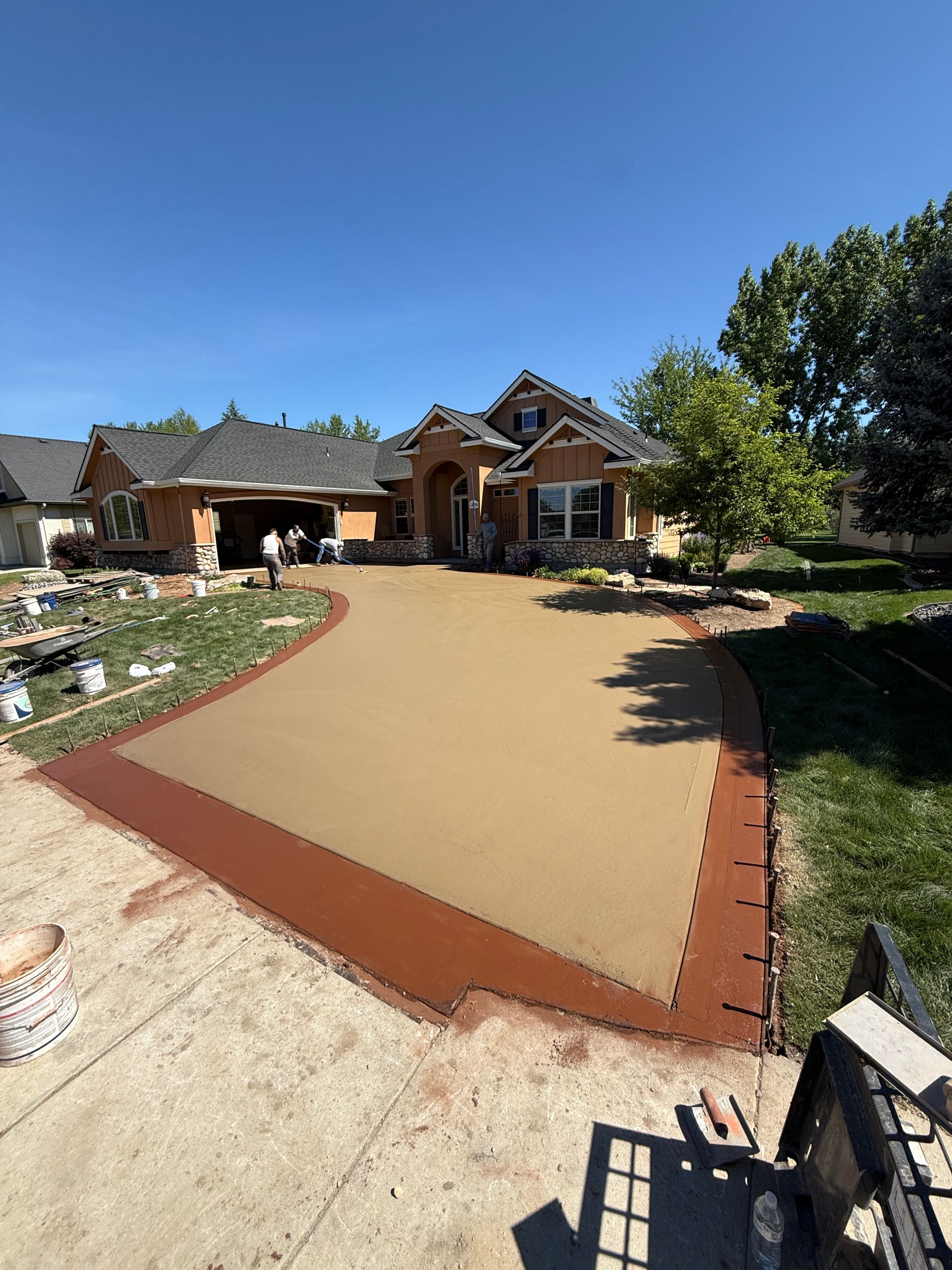
Site preparation starts with surveying existing elevations to identify problem areas and determine how much cut or fill is needed. Topsoil is stripped and stockpiled if it will be reused, then subgrade is shaped to achieve proper drainage slopes, typically a minimum fall of two percent away from structures. Compaction equipment ensures the finished grade won't settle under the weight of sod, pavers, or concrete, and base rock is added in areas that will support heavy loads.
Once grading is complete, water moves predictably across your property instead of collecting in low spots or flowing toward the house. Level areas remain stable underfoot rather than sinking or developing ruts with use, and subsequent construction projects start from a solid foundation that won't shift or crack. You'll also notice that installations like sod establish more evenly because the surface drains consistently across the entire area.
Grading decisions include where to route runoff, whether swales or catch basins are needed for volume control, and how to transition between different elevation zones without creating abrupt drops. The approach depends on total site area, existing drainage infrastructure, and what improvements are planned for the space.
What Homeowners Need to Know
Site preparation questions frequently focus on drainage outcomes, how grading integrates with planned projects, and what conditions indicate that work is necessary.
What signs indicate that a property needs grading work?
Standing water that persists more than a day after rain, erosion channels cutting through planting beds, and foundation walls showing moisture staining all point to drainage problems caused by improper grading. Uneven ground that makes mowing difficult or prevents furniture from sitting level also indicates the need for leveling.
How does grading prevent problems with future landscape projects?
Proper base preparation eliminates settling that causes pavers to sink, prevents water from pooling under sod and drowning roots, and ensures retaining walls don't experience hydrostatic pressure from trapped runoff. Grading done correctly the first time avoids costly repairs or reinstallation later.
What equipment is used for residential grading projects?
Skid steers and compact track loaders move soil efficiently in tight residential spaces, while laser levels and transit equipment verify that finished grades meet design specifications. Hand grading around delicate plantings or close to structures provides precision that heavy equipment cannot achieve.
When should grading happen relative to other landscape phases?
Site grading precedes all other work because it establishes the foundation that hardscaping, planting, and irrigation depend on, and attempting to grade after installations are complete risks damaging finished work. Sequencing matters because each phase builds on the stability created by proper grading.
What factors affect grading complexity and project duration in Meridian?
Clay soils require more compaction effort than sandy soils, while sites with significant elevation change need more cut and fill than properties with minor drainage tweaks. Proximity to existing utilities, trees, or structures also affects how grading is executed and what equipment can be used.
Adams Outdoor Renovations evaluates your property's drainage patterns and prepares sites with the precision needed for successful landscape projects. Contact us to discuss leveling and grading services tailored to your project requirements and site conditions.